Overview of Limbé

Bulletin

We never spam, we hate it too.

Sign up

Limbe-CarteCommunale

Limbé, North

The Limbe is a municipality of The Arrondissement of Limbé, in the  North Department ofHaiti.

The city of Limbe with a population of 54,170 (2015 census), is the second largest city in this department After Cap-Haitien. Fifteen years ago, the municipality of Limbé included seven (7) rural sections: Tanmas (1st), Haut-Limbé, Soufrière, Ravine-des-Roches, 4th or Chabotte / Simalo, Camp-Coq and 8th (near the town of Plaisance).

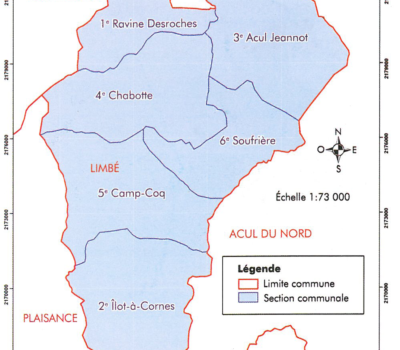
Currently, it is officially subdivided into six (6) communal sections: 1st Ravine Desroches, 2nd Ilot-à-Cornes, 3rd Acul Jeannot, 4th Chabotte, 5th Camp-Coq and 6th Soufrière. The town also includes a Camp-Coq district under the communal section of the same name. It has at least forty-four (44) localities and ninety-one dwellings or plantations.54
According to IHSI data, the population of the municipality of Limbé was 65,000 inhabitants in 2003, with 32,200 people residing in the city itself, to reach 85,302 in 2015, including 54,170 people living in the city. Therefore, between 2003 and 2015 the municipal population increased by 31,23%. THE urbanization rate in the municipality, already very high, went from 41 % in 2003 to 63.5 % in 2015. Therefore, the commune of Limbé is essentially urban.

The district of Limbé comprises two municipalities: Limbé and Bas-Limbé. It had approximately between 69,256 to 80,000 inhabitants (United Nations OCHA (Haiti) 2004 report on the population of Haiti in 2003). Currently, the population of the borough is close to 100,000 inhabitants.

Le Limbé is located 220 km north of the capital Port-au-Prince.

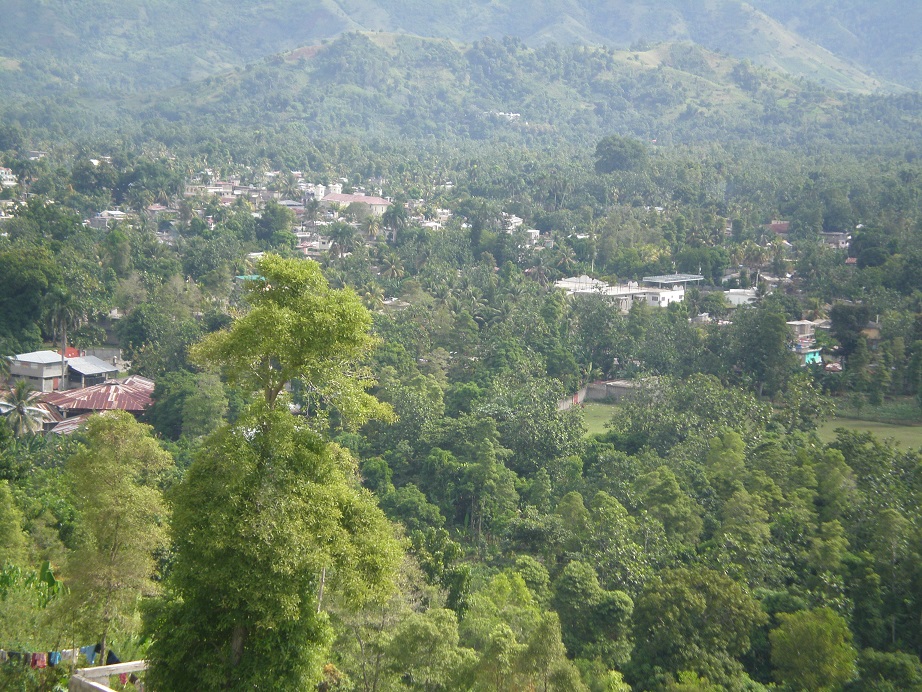
Overview

The nearest neighboring towns are Bas-Limbé (9 km north), Port-Margot (8 km north-west), Plaisance (35 km south), Cap-haïtien (26 km north-east) and L 'Acul-du-Nord (12 km).

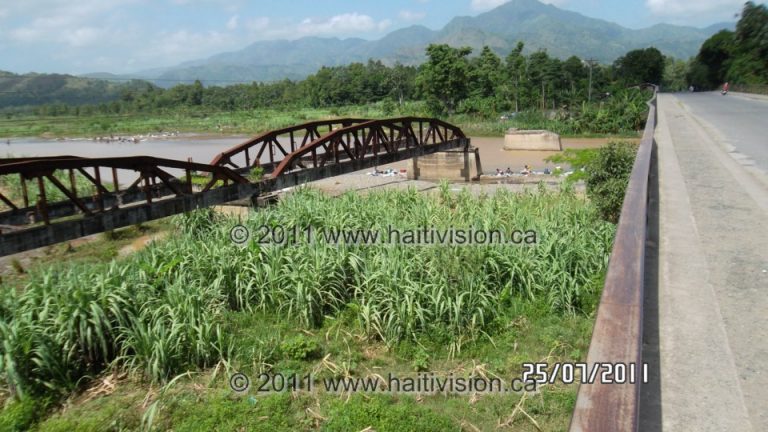
Ancient Limbé bridge

The Limbé River, which flows towards the city on its way north into the sea, gave the city its strength with a diverse agricultural base. Production includes bananas, mangoes, coffee and other fruits in the surrounding raised areas and rice in the municipality of Bas-Limbé near the sea. However, the town is also vulnerable to flooding. More particularly, on November 18, 1963 a sudden flood, resulting from a very active hurricane season (the most damaging being Hurricane Flora), caused the flooding of the city by the Limbé river. At that time, the death toll in Limbé and the surrounding area reached according to some estimates between 100 and 500 people.

Although no official records exist on the damage caused by this flood in Limbe, the testimonies of numerous eyewitnesses and the force of the hurricane (National Hurricane Center, archive hurricane 1963, reproduction1) support the theory of a tragedy. on a large scale, with a large number of houses damaged or even many of them washed away by the raging waters. Currently, the flow of the Limbé River is greatly reduced due to advanced and general deforestation in Haiti. Note that Limbé and the surrounding areas still have a lot of trees compared to the rest of Haiti.

Limbé is fortunate to have two good hospitals. The St-Jean Dispensary opened by Catholic nuns (Sisters of Ste-Carmelle) in the 1960s, but currently under government control and a “Bon-Samaritain Hospital” run by American Baptist missionaries. Limbé was therefore known in the Nord department for accessible health care services and many people flocked to the Bon Samaritain Hospital, run for four decades by Dr. Williams Hodges, until his death in 1995.

Limbé also has a public high school for primary secondary education Lycée Jean-Baptiste Cinéaste, a little over 8 to 10 private elementary and secondary schools such as, École des Frères Père Lepévédic, École des Sœurs Ste-Agnès, École Baptiste, École Adventiste. , etc. There are also four hotels, a private library open to the public and around 4 private radio stations.

Despite the number of existing schools in the city, according to an April 2007 report from the Ministry of Planning and External Cooperation (MPCE), Limbé is ranked among Haiti's cities with very low access to education. basic education. However, the municipality also has on its territory a private university, the Christian University of the North, located in Haut-Limbé. It offers four port-secondary programs in areas mainly related to management and administration. 

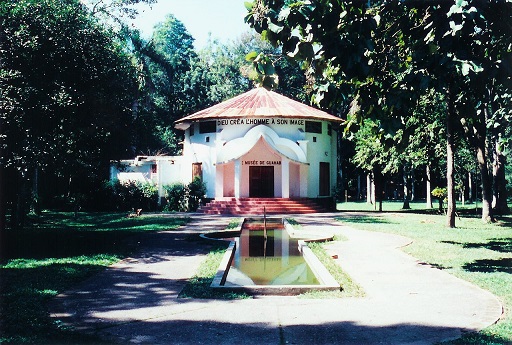
The late American missionary Dr. William Hodges had a great influence on the development of Limbe, especially between the 1960s and 1980s. There he operated the largest Protestant hospital in the North. In fact, in 1994 the 130-bed hospital employed nearly 250 people. Dr Hodges was an archaeologist in his spare time and founded in Limbe, the Guahaba Museum (or Dr. Hodges Museum), a small museum dedicated to Native American artefacts from the Arawack / Taino tribes. These tribes populated the region before the arrival of African slaves. Around 1973, Dr Hodges also built a hydroelectric dam to supply the city with electricity. The dam has not been in operation for several decades. On the other hand, it supplied running water to the population through public fountains and also to private residences thereafter, in 1976.

Guahaba Museum

Currently, like many cities in Haiti, Limbé has not received any significant public investment for decades. This situation constitutes a typical case of neglect and contempt of most past Haitian governments, towards local communities. Consequently, Limbé has a lack of adequate basic urban and health infrastructure. However, there is an ongoing program of paving the main streets in the city center.


Limbé

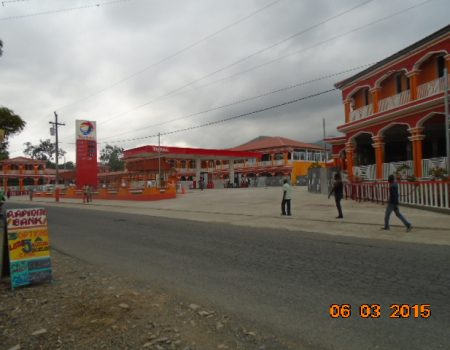
Since the 2010s, several large-scale private investments have been made in Limbé. These include Nathan's Total Shopping Complex, Texaco Gas Station, National Gas Station, Fab Plaza Hotel Shopping Complex, Maila Hotel, Sunshine Inn Hotel, etc. There is also a sand handling plant.

In short, we can say that the city of Limbé, although it has good potential, certainly has great weaknesses to fill.

Source: Wikipedia /Historical Encyclopedia of Limbe, Pre-Columbian Period to the 2000s/ Local Collaborators

error: Content is protected !!